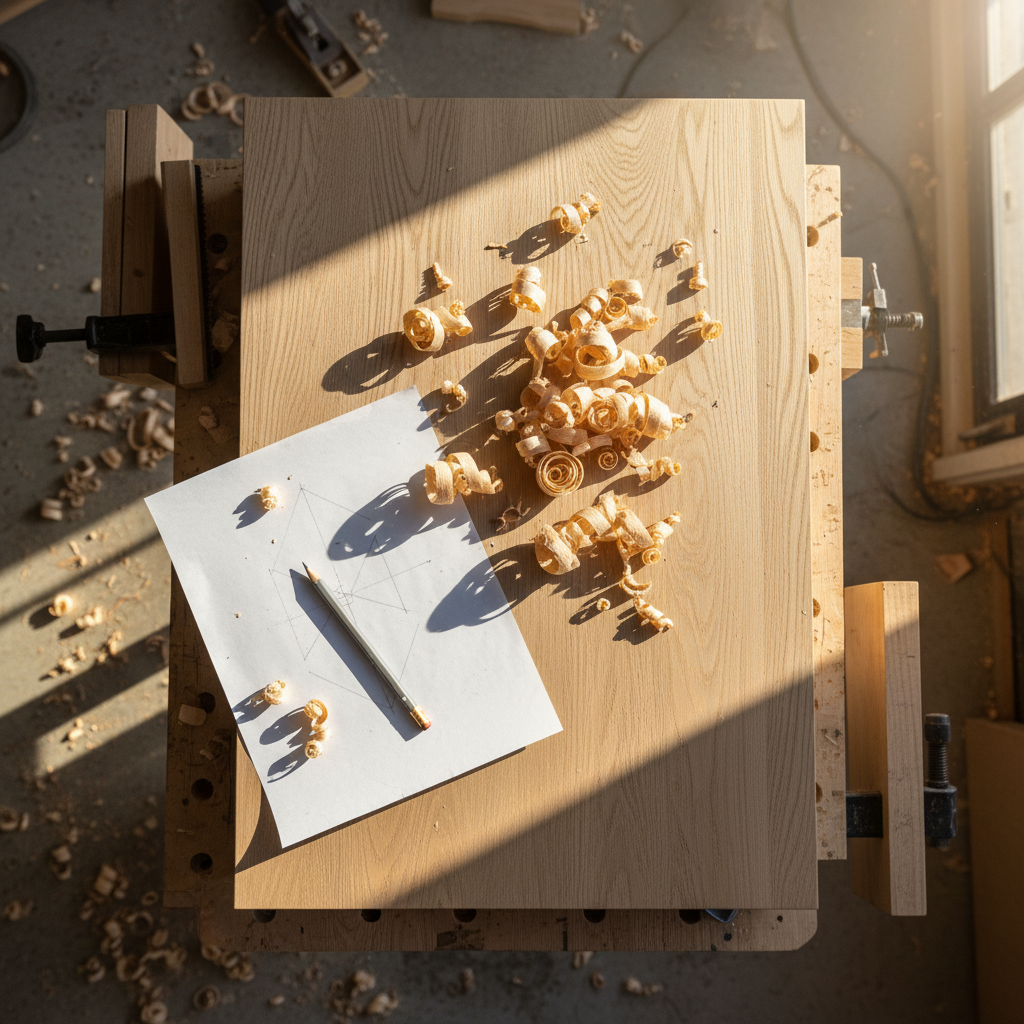
Wood that tells
its own story.
Every joint hand-cut. Every surface planed until the grain speaks louder than the finish. Furniture built to outlast the building it sits in.
The wood chooses the piece as much as you do.
We stock four primary species, each sourced with full chain of custody. Run your thumb across these cross-sections and tell us which one stops you.
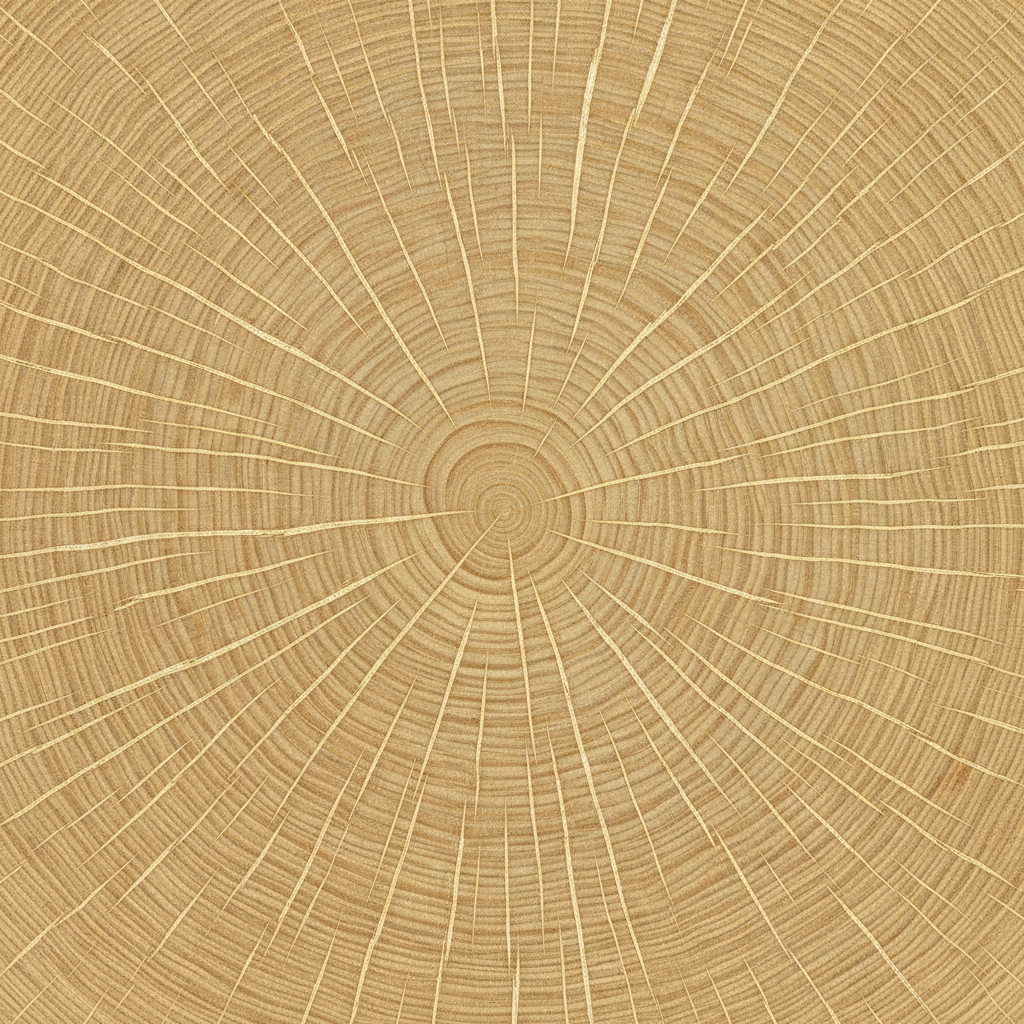
White Oak
Quercus alba
Tight medullary rays catch light at every angle. Pale gold with flashes of silver. Stains evenly; ages to warm honey.
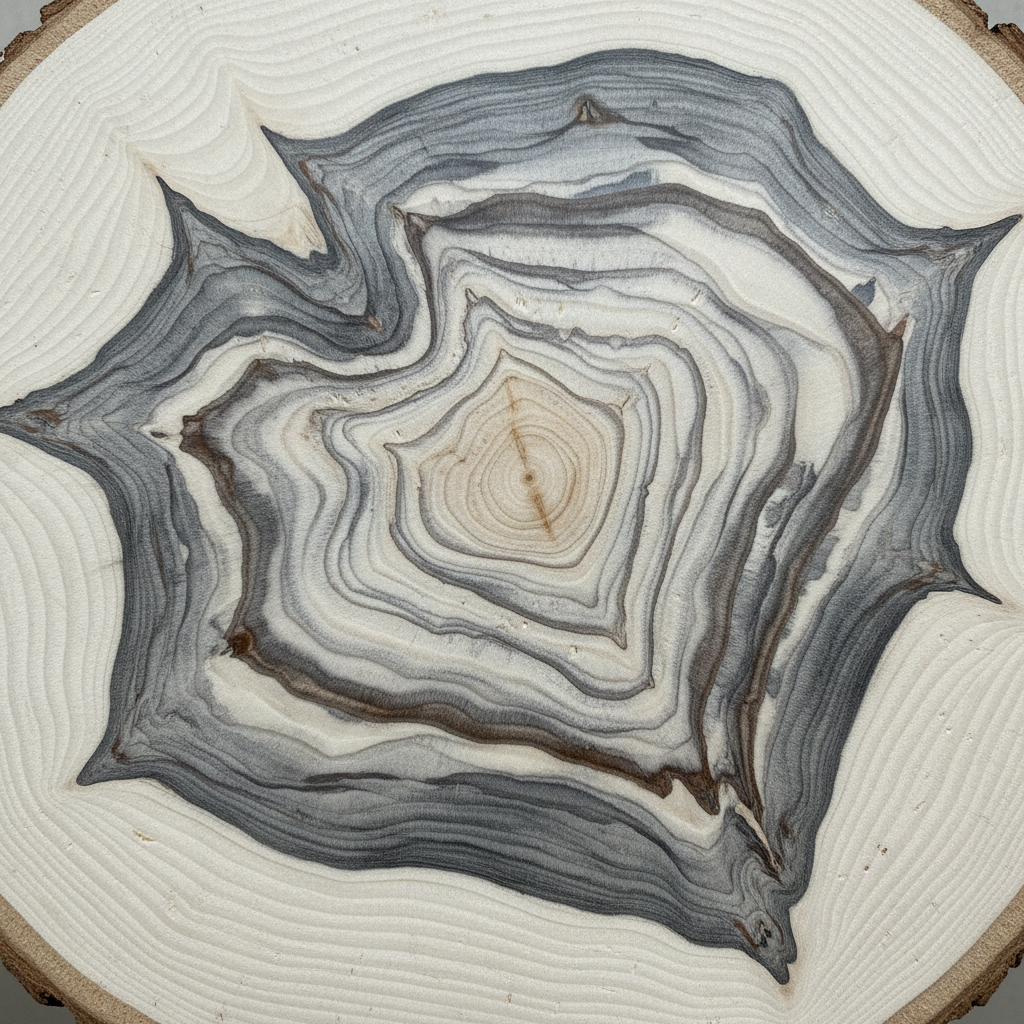
English Ash
Dramatic open grain with dark streaks — no two boards identical. Light background makes figure pop. Steams and bends well.
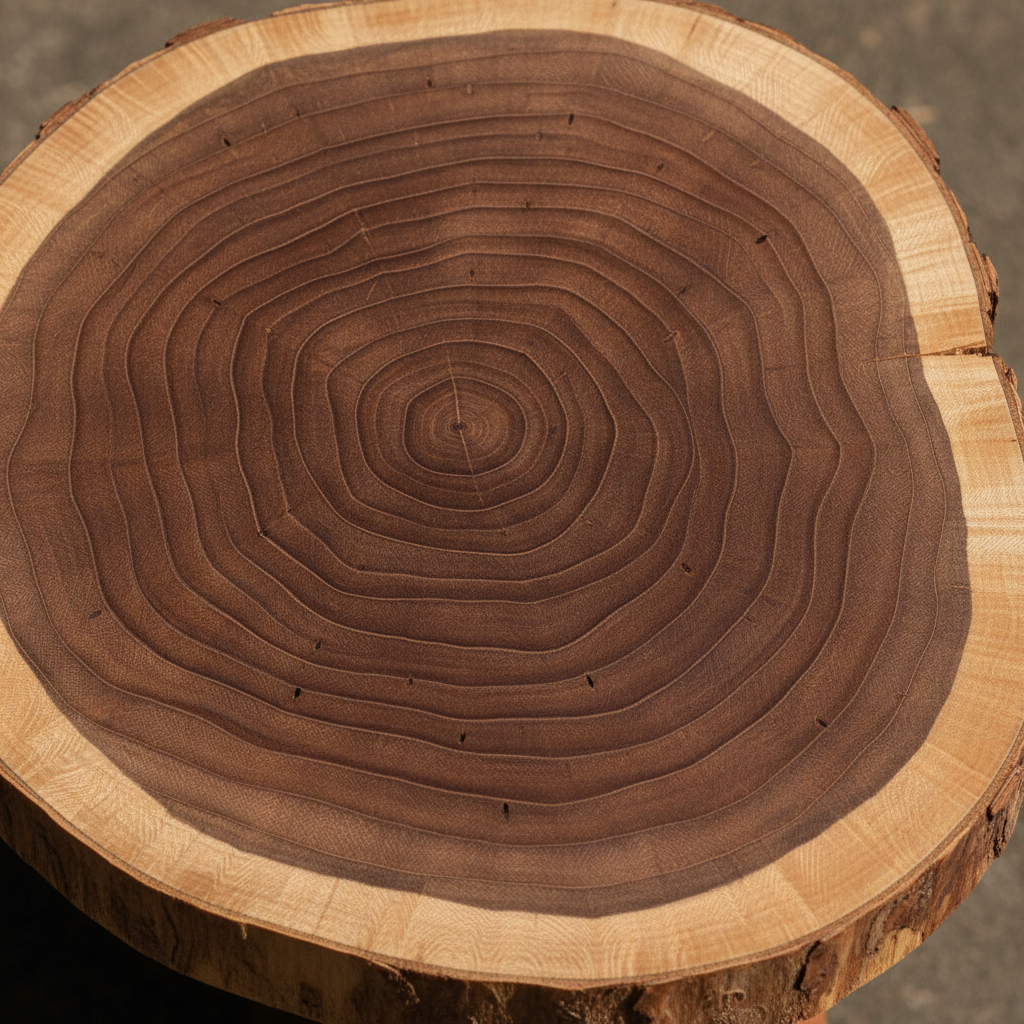
American Walnut
Deep chocolate brown heartwood with purple undertones. Straight grain, fine texture. The benchmark for luxury furniture.
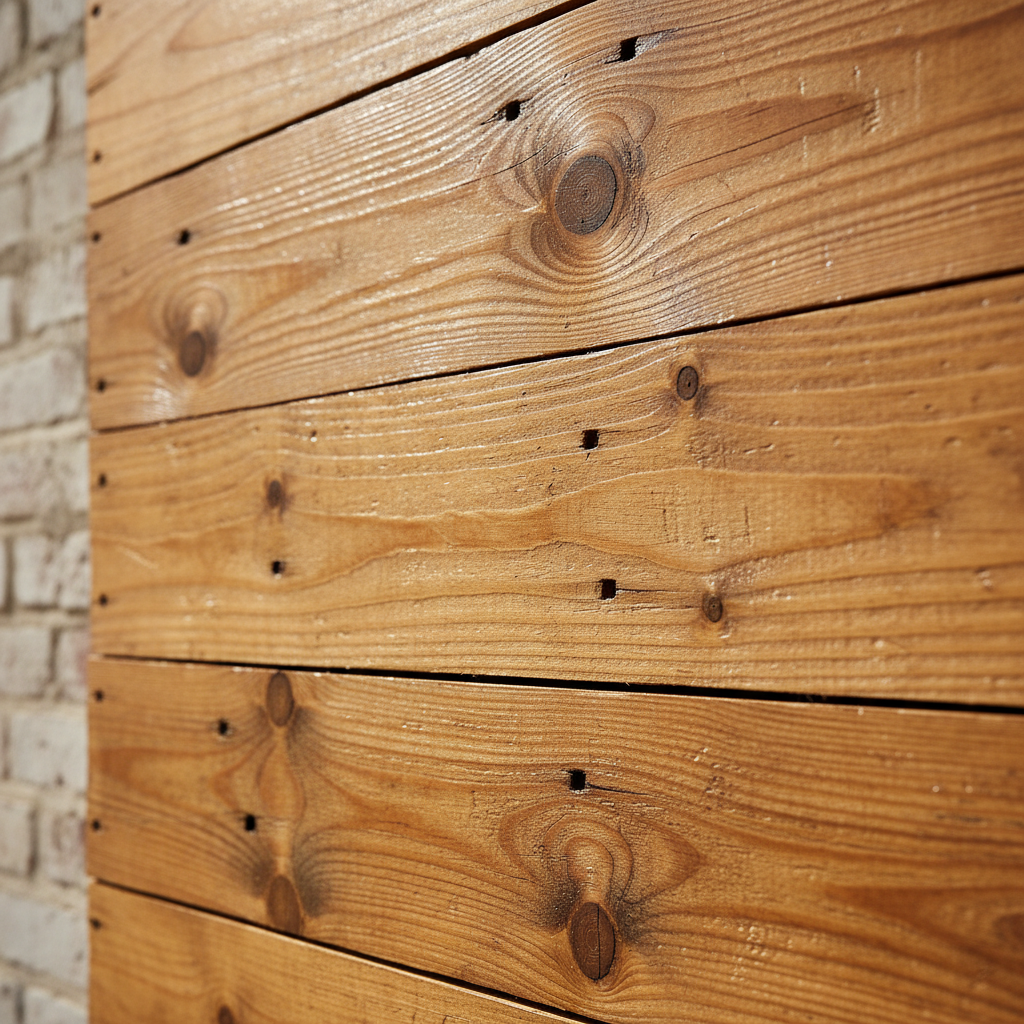
Reclaimed Pine
Knots, nail holes, and ghost marks tell 150 years of history. Every board is a document. Impossible to replicate.
This is where your money goes.
No pocket screws. No cam-lock fittings. Every joint is cut by hand and will be stronger in fifty years than it is today.
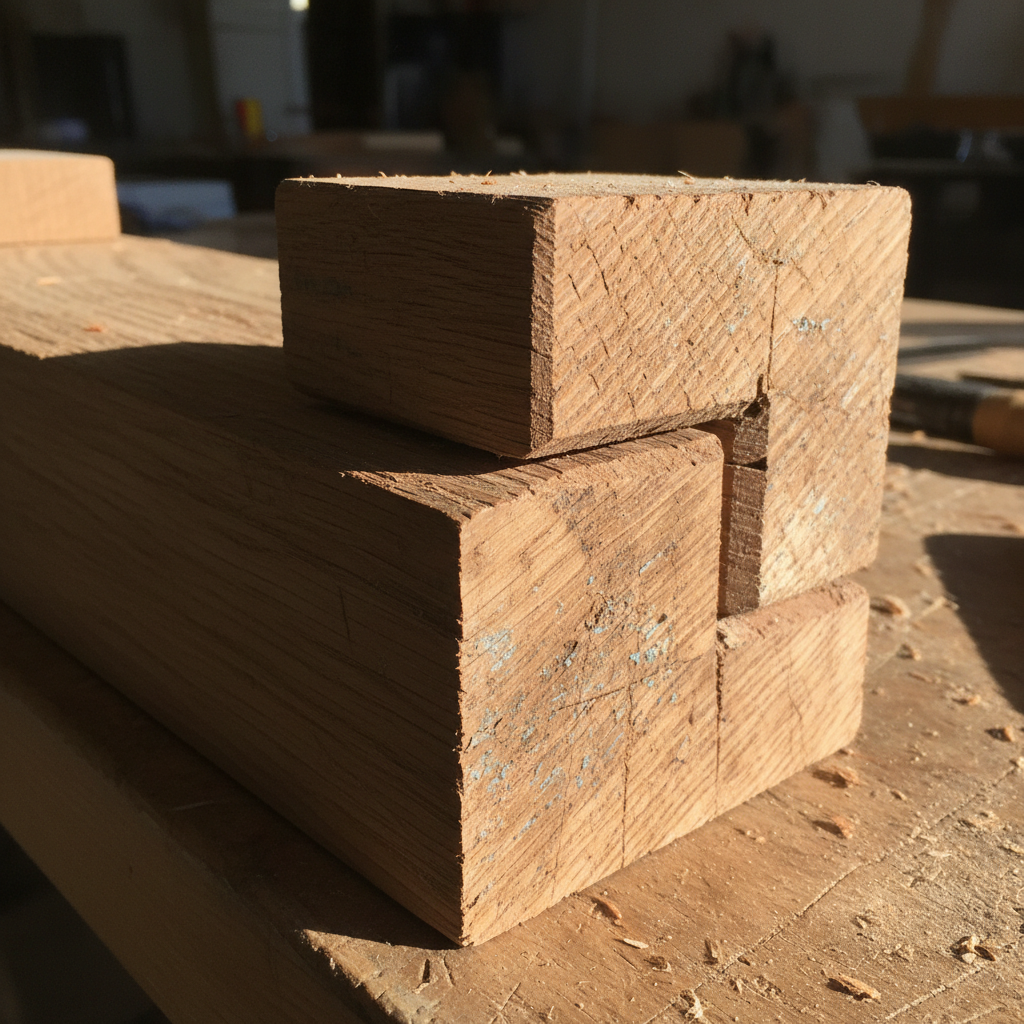
Mortise & Tenon
The oldest joint in furniture making. A rectangular tenon cut from one member fits precisely into a mortise cut in another. No glue needed if the fit is right.
Each joint is cut by hand with a mortise chisel and mallet. The tenon is fitted dry, adjusted with a shoulder plane, and tested for rattle before final assembly.
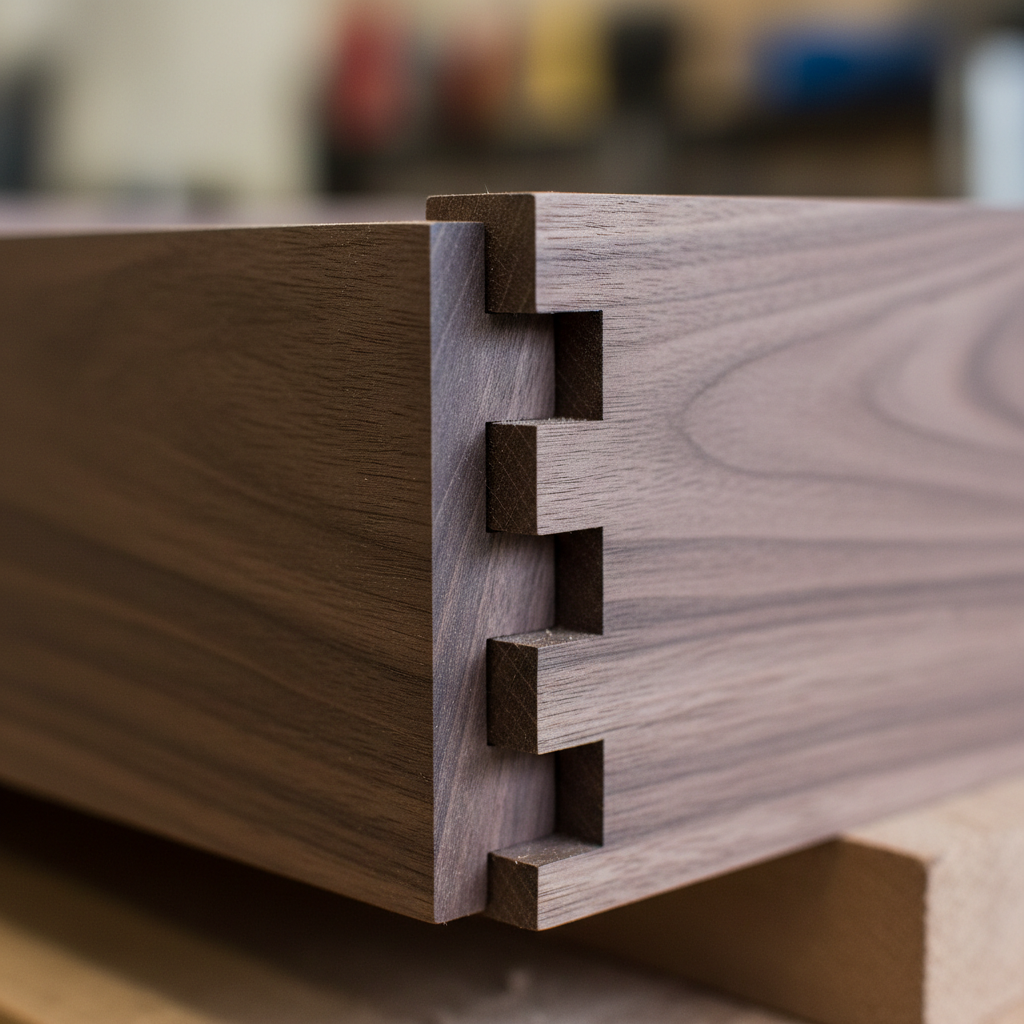
Dovetail
Interlocking pins and tails that resist pulling apart. The mechanical strength means the joint works even if the glue fails in 200 years.
Tails are laid out with a marking gauge and bevel, cut to the line with a dovetail saw, and the waste removed with a coping saw and chisel. Pins are scribed directly from the tails.
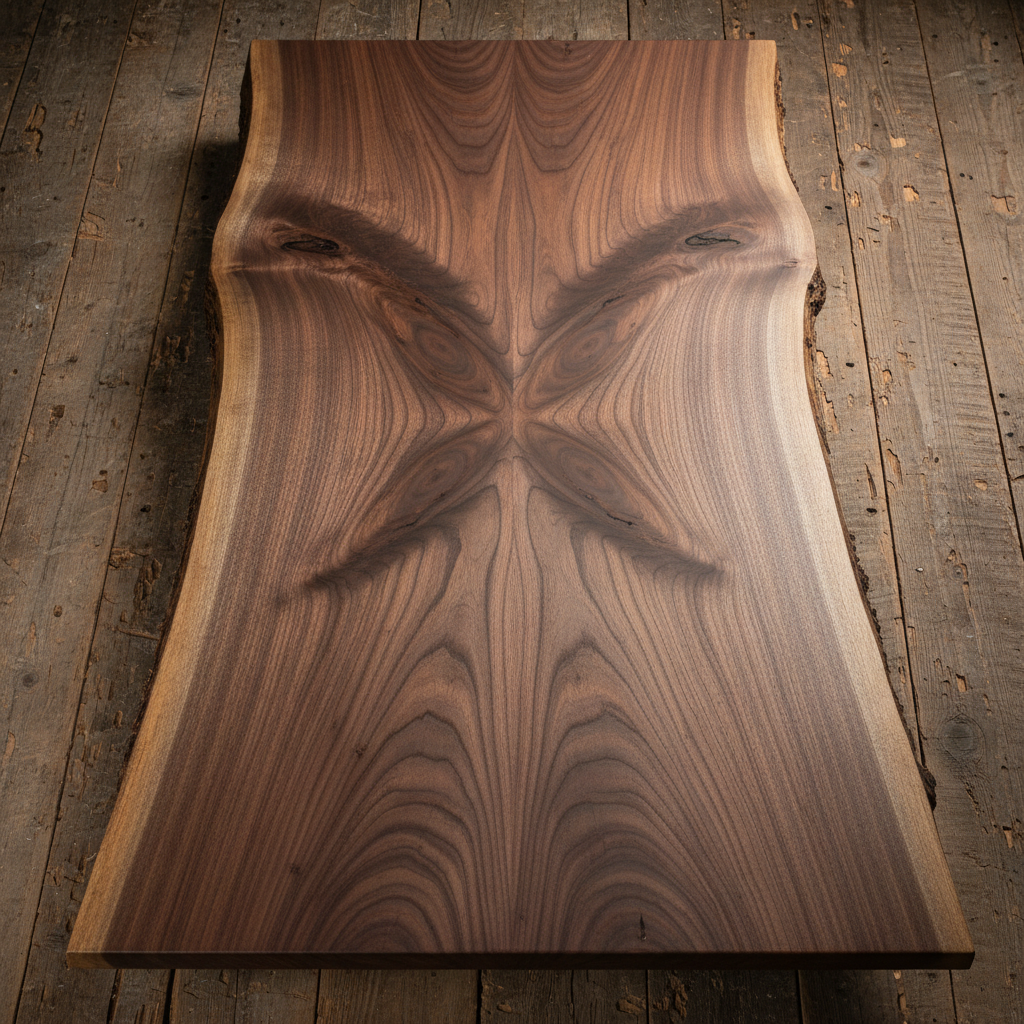
Live-Edge Bookmatching
Two consecutive slabs from the same log opened like a book. The mirror image creates a butterfly pattern that no machine can replicate.
Slabs are matched at the mill, dried together, then jointed on a router sled to create a perfectly flat glue line. The natural edge is preserved and cleaned of bark.
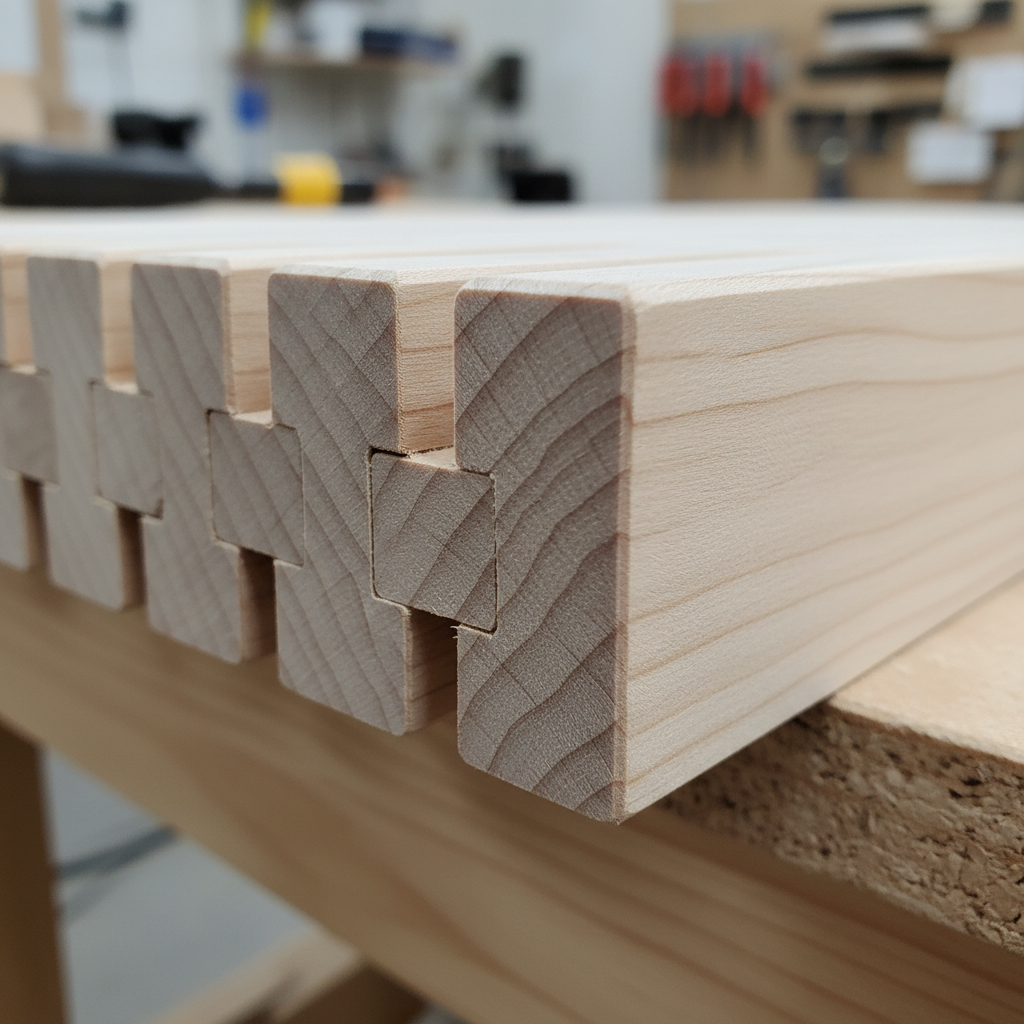
Finger Joints
Interlocking rectangular fingers that maximise glue surface. Stronger than the wood itself when done right. Honest and geometric.
Cut on a router table with a custom box-joint jig, then hand-fitted. The spacing and width of fingers are tuned to the species — tighter for hardwoods, wider for softer timber.
From rough-sawn to ready-to-live-with.
The finish is not decoration — it's protection. Drag the handle to see what changes between each stage. Choose what's right for how you use the piece.
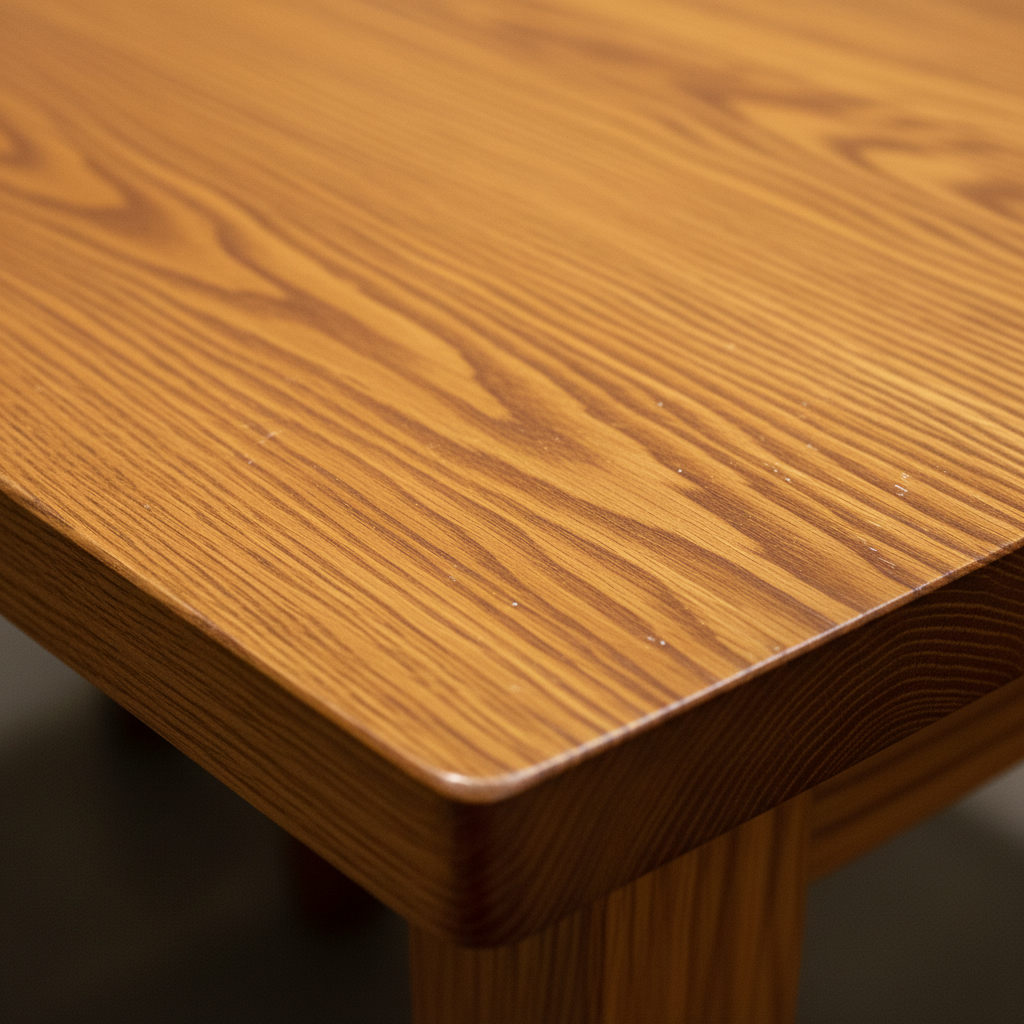
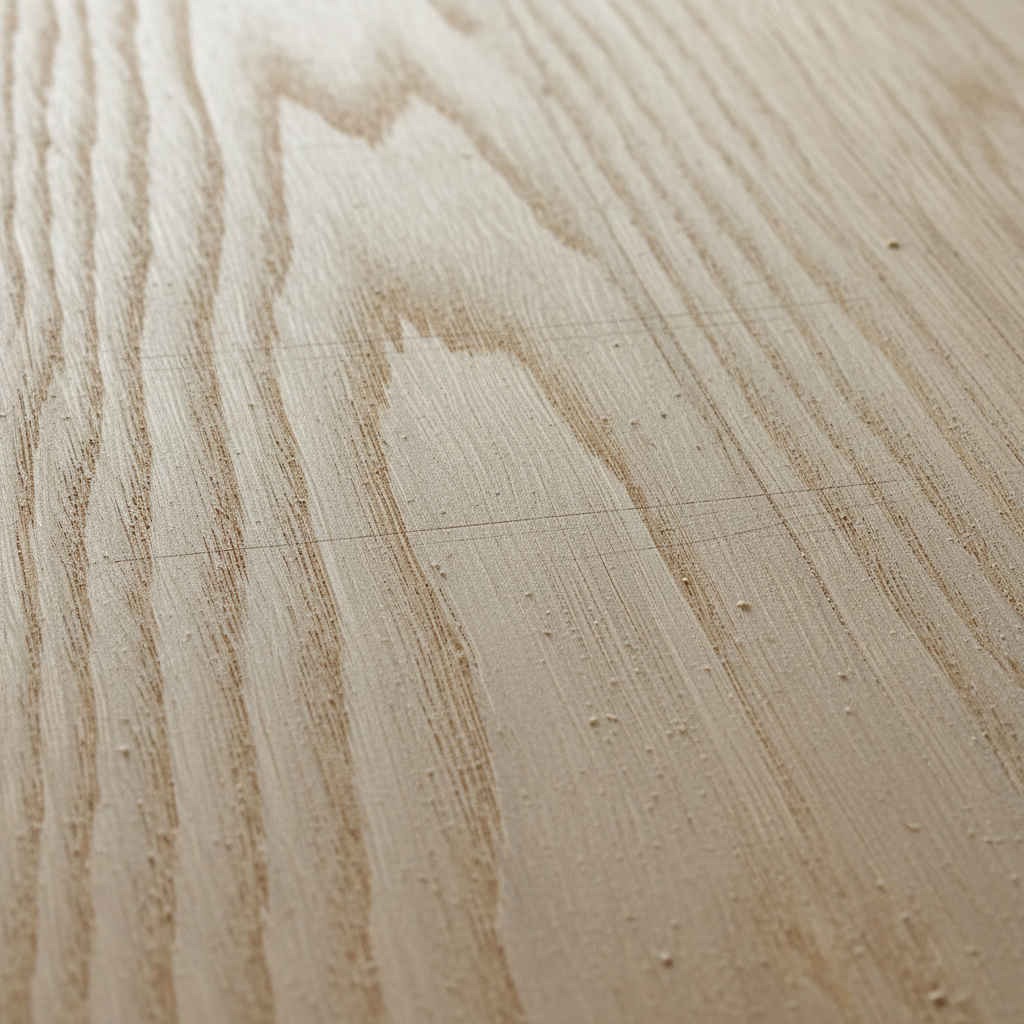
← Drag to compare stages →
Raw
Freshly planed to 180-grit. The grain is open, the colour pale, the surface almost powdery. This is the wood before any chemistry touches it.
Oiled
Lacquered
For dining tables: hard wax oil. It feeds the wood, repairs easily, and ages beautifully. Lacquer for commercial bar tops where spill resistance matters more than repairability.
Three questions to your recommendation.
What room is this for?
This shapes everything — species, joint type, finish, and scale.